1

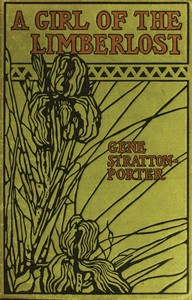
A Girl of the Limberlost — Text and Context
(0 User reviews)
223
Project Gutenberg
2006
Not confirmed
Didactic fiction; Indiana -- Fiction; Domestic fiction; Bildungsromans; Mothers and daughters -- Fiction; Girls -- Fiction; Conflict of generations -- Fiction; Swamps -- Fiction; Moths -- Fiction
Readers of public-domain and historical texts
Project Gutenberg digital edition
en
Edition facts
Words
126,286
Reading time
550 min
Text sections
28
The catalog record for A Girl of the Limberlost — Text and Context provides practical reading context through 126,286 words, 9 hr 10 min estimated reading time, and 28 detected text sections.
The text analysis averages about 12.5 words per sentence, while the detected sections provide another way to judge how the source is divided.
Project Gutenberg metadata also associates the work with “Didactic fiction,” connecting these edition facts with the source record’s subject description.
Source:
Project Gutenberg record #125
Elnora Comstock, a girl from the Limberlost swamp, battles her mother's hostility to attend high school and fund her education by collecting moths. The novel contrasts domestic confinement with the wild, insect-rich swamp, and traces Elnora's resilience against her mother's bitter opposition.
Read the complete public-domain text at its original source.
Read on Project GutenbergThe first chapter opens with a sharp domestic confrontation: Katharine Comstock accuses her daughter Elnora of having “lost her senses” for wanting to attend high school. The mother’s anger is directed not only at the plan but at Elnora’s appearance—she forces her to plaster down her “reddish-brown hair” and wear a “skimpy black hat.” This early scene establishes a pattern of control and rebellion that runs through the excerpts. Elnora’s journey to school is framed as a physical and emotional crossing from the Limberlost swamp into the town of Onabasha, a transition marked by her mother’s jeers and her own silent determination.
Mothers and Daughters: A Struggle of Wills
The relationship between Elnora and Mrs. Comstock is defined by open hostility and mutual misunderstanding. Mrs. Comstock’s first words—“Elnora Comstock, have you lost your senses?”—set a tone of contempt. She mocks Elnora’s ambitions, calls her “plumb daffy,” and insists on controlling even her hair and lunch. Yet the excerpts also reveal a more complex dynamic. When Elnora refuses food, her mother forces her to take a “nice new pail” filled with dinner, suggesting a grudging care beneath the cruelty. Later, in the swamp, Mrs. Comstock’s fierce determination to catch moths—praying aloud, “O Lord, send it lower!”—mirrors Elnora’s own obsessive drive. The mother’s transformation from antagonist to active participant in moth hunting hints at a shared passion that may bridge their divide.
The Swamp as Classroom and Crucible
The Limberlost swamp is not merely a setting but a character in its own right, depicted with precise sensory detail. Elnora navigates “logs and through clinging vines and grasses,” while Mrs. Comstock crouches in “damp swamp grasses, without a thought of snakes or venomous insects.” The night scenes are thick with sound: “locusts rasped, the whip-poor-wills cried and a steady hum of night life throbbed.” Moths become the currency of both education and emotional release. Mrs. Comstock’s frantic prayer—“This way, O Lord! Make it come this way!”—reveals a raw, almost superstitious reverence for the creatures. The swamp is a place of danger, discomfort, and unexpected grace, where both women shed their domestic roles and become hunters, collectors, and supplicants.
The Language of Conflict and Connection
Stratton-Porter’s dialogue is sharp and naturalistic, capturing the rhythms of rural speech. Mrs. Comstock’s commands—“You wet your hair and comb it down modest and decent”—contrast with Elnora’s quiet replies: “Thank you, mother! Good-bye!” The mother’s voice is full of sarcasm and threat; the daughter’s is restrained but resolute. In the swamp, however, Mrs. Comstock’s language shifts. She cries “hoarsely” to Pete Corson, “I need you! Get yourself out here, and help me.” The imperative remains, but the tone is urgent, almost vulnerable. The narrative voice itself moves between close third-person focus on Elnora’s inner despair and a more detached observation of Mrs. Comstock’s “aching heart, swollen with the strain of long excitement.” This dual perspective allows the reader to see both women’s struggles without fully endorsing either.
Readers attentive to the novel’s structure will notice how the early conflict between mother and daughter is mirrored in their parallel pursuits of moths. The excerpts do not reveal whether Elnora succeeds in school or whether Mrs. Comstock’s hostility softens, but they establish a pattern of opposition that may yield to shared purpose. Pay attention to the recurring imagery of light—lanterns, sky, and the “thin yellow spray” of the moth—as a symbol of attraction and revelation. The Limberlost itself, with its “clinging vines” and “night life,” is both obstacle and opportunity.
I was thinking about Elnora’s long walk to school through the swamp, that defiant rhythm of her skirts against the reeds, and how her real education happened outside the classroom. It made me remember another small town’s quiet pressure, and the way a woman’s mind can be its own territory. She carried her freedom in a specimen box, I suppose, while Carol carried hers in a map. Main Street — Edition Insights felt familiar, somehow, like a second place I’d already visited.
There are no reviews for this eBook.
There are no comments for this eBook.
Reader reflection
Take a moment to reflect on this book
Create a short personal record of your experience with this book.
Your progress
0
/
10
2
Did this book hold your interest?
3
Is this a title you would suggest to others?
4
How much effort did this book require?
5
Did it raise ideas you would like to talk about?
6
Did any part of the book stay with you emotionally?
7
What was the strongest part of the book?
8
What did you think about the pace?
9
In one sentence, what did you learn?
10